Introduction
Aromatherapy has become an increasingly popular part of modern self-care. From calming lavender scents filling bedrooms before bedtime to refreshing citrus aromas diffusing through home offices, many people incorporate essential oils into their daily routines in hopes of creating a more relaxing and enjoyable environment.
But what exactly is aromatherapy, and does it involve more than simply enjoying pleasant fragrances?
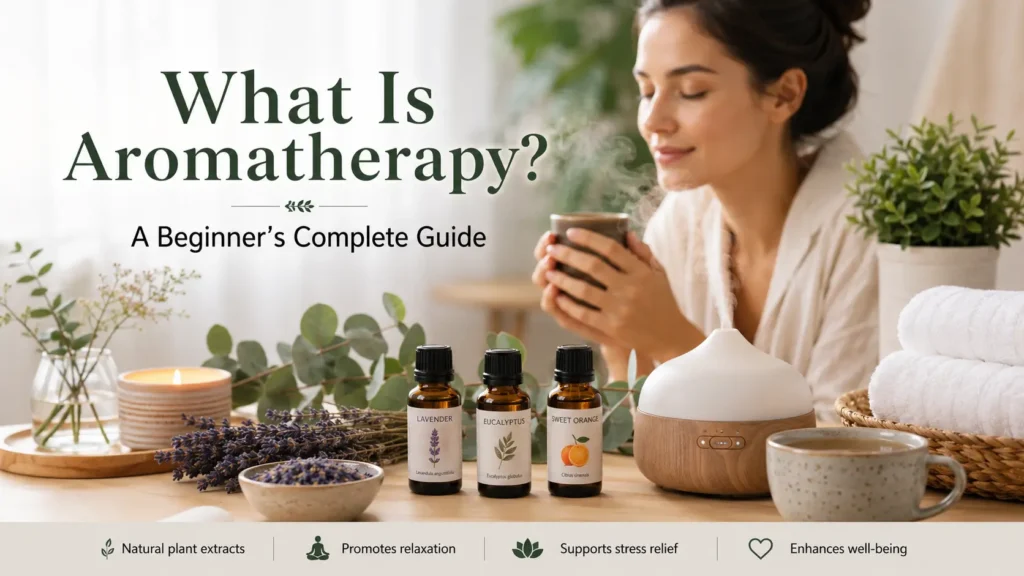
The answer is yes. Aromatherapy is a wellness practice that uses concentrated plant extracts—known as essential oils—to promote physical comfort, emotional balance, and relaxation. While it has been practiced in various forms for centuries, today’s aromatherapy combines traditional knowledge with growing scientific interest in how scent influences mood, stress, and overall well-being.
It’s important to understand, however, that aromatherapy is not a replacement for medical treatment. Instead, many people use it as a complementary self-care practice that may help support relaxation, improve the atmosphere of their living spaces, and encourage mindful wellness habits.
Whether you’re completely new to essential oils or simply want reliable information before getting started, this guide will help you understand the fundamentals of aromatherapy. You’ll learn how it works, where it originated, the different ways essential oils are used, and what beginners should know before incorporating aromatherapy into their routines.
Understanding Aromatherapy
What Is Aromatherapy?
Aromatherapy is the practice of using naturally extracted aromatic compounds from plants—called essential oils—to support physical, emotional, and mental well-being.
These essential oils are obtained from different parts of plants, including:
- Flowers
- Leaves
- Bark
- Roots
- Seeds
- Fruit peels
- Resin
- Wood
Each essential oil contains naturally occurring aromatic compounds that give the plant its distinctive scent. These compounds also contribute to the unique characteristics associated with each oil.
For example:
| Essential Oil | Plant Source | Commonly Associated With |
|---|---|---|
| Lavender | Lavender flowers | Relaxation and restful evenings |
| Peppermint | Peppermint leaves | A cooling, refreshing aroma |
| Eucalyptus | Eucalyptus leaves | A fresh, clean scent often used during seasonal changes |
| Sweet Orange | Orange peel | An uplifting, cheerful fragrance |
| Chamomile | Chamomile flowers | A gentle, calming atmosphere |
| Tea Tree | Tea tree leaves | Popular in skincare and personal care routines |
Rather than treating illnesses, aromatherapy focuses on creating an environment that may support relaxation, mindfulness, and overall wellness.
What Are Essential Oils?
Essential oils are highly concentrated plant extracts that capture a plant’s natural aroma and many of its volatile compounds.
Unlike cooking oils such as olive or coconut oil, essential oils are not greasy. They evaporate quickly, releasing aromatic molecules into the air.
Most essential oils are produced through one of two methods:
Steam Distillation
Steam passes through plant material, carrying aromatic compounds with it. As the steam cools, the oil separates from the water, producing pure essential oil.
This is the most common extraction method and is used for oils such as:
- Lavender
- Peppermint
- Rosemary
- Eucalyptus
Cold Pressing
This method is primarily used for citrus fruits.
The peel is mechanically pressed to release its natural oils without heat, helping preserve the fresh scent.
Common cold-pressed oils include:
- Lemon
- Orange
- Bergamot
- Grapefruit
Because essential oils are highly concentrated, only a small amount of plant material becomes oil. In some cases, hundreds of flowers or large quantities of leaves may be needed to produce a single small bottle.
Aromatherapy vs. Fragrance: What’s the Difference?
Many people assume that all pleasant-smelling products provide the same experience, but there is an important distinction between aromatherapy and synthetic fragrance.
| Aromatherapy | Synthetic Fragrance |
|---|---|
| Uses naturally extracted essential oils | Often created using synthetic aroma chemicals |
| Derived from plants | May not contain plant ingredients |
| Frequently used in wellness routines | Primarily designed to provide scent |
| Aroma varies naturally between harvests | Fragrance is manufactured for consistency |
It’s worth noting that a pleasant fragrance can still contribute to a relaxing atmosphere. However, products marketed for aromatherapy typically emphasize the use of authentic essential oils rather than synthetic perfumes.
A Brief History of Aromatherapy
Although the term “aromatherapy” is relatively modern, the use of aromatic plants dates back thousands of years.
Ancient civilizations valued fragrant herbs, flowers, and resins for personal care, religious ceremonies, bathing rituals, and traditional wellness practices.
Ancient Egypt
The Egyptians were among the earliest known users of aromatic plant oils. They incorporated fragrant botanicals into cosmetics, massage oils, perfumes, and ceremonial practices.
Natural ingredients such as frankincense, myrrh, cedarwood, and jasmine were highly valued.
Ancient Greece
Greek scholars explored the medicinal uses of plants and documented many herbal preparations. Their observations influenced later wellness traditions throughout Europe.
India
Traditional Ayurvedic practices have long included aromatic herbs and botanical oils as part of holistic approaches to health and balance.
China
Historical Chinese wellness traditions also recognized the value of fragrant plants, incorporating herbs into daily living and traditional practices.
Modern Aromatherapy
The modern concept of aromatherapy emerged during the early 20th century when French chemist René-Maurice Gattefossé began studying essential oils and their potential applications.
Since then, aromatherapy has grown into a widely recognized complementary wellness practice found in:
- Homes
- Wellness centers
- Massage therapy settings
- Yoga studios
- Spas
- Meditation spaces
Today, ongoing research continues to explore how scent influences mood, stress, relaxation, and overall quality of life, although evidence varies depending on the specific essential oil and intended use.
How Does Aromatherapy Work?
One of the reasons aromatherapy is so fascinating is the close relationship between our sense of smell and the brain.
When you inhale the aroma of an essential oil, tiny airborne molecules enter the nose and interact with specialized scent receptors.
These receptors send signals to areas of the brain involved in:
- Emotions
- Memory
- Mood
- Stress responses
This connection helps explain why certain scents can instantly remind you of a favorite vacation, childhood memories, or comforting moments.
For example:
- The scent of lavender may remind someone of peaceful evenings.
- Fresh citrus aromas may evoke feelings of energy and cleanliness.
- Peppermint might be associated with alertness or focus for some individuals.
Individual experiences vary widely, which is why no single essential oil works the same way for everyone.
Beyond the Sense of Smell
Aromatherapy isn’t limited to inhalation alone.
Depending on the method of use, essential oils may also become part of broader relaxation rituals, such as:
- Massage (when diluted in a carrier oil)
- Warm baths
- Steam inhalation
- Home diffusers
- Personal inhalers
- Aromatic room sprays
Many people find that combining pleasant scents with intentional self-care activities—such as meditation, journaling, reading, or gentle stretching—creates a more calming and restorative experience.
Types of Essential Oils for Beginners
With hundreds of essential oils available, it’s easy to feel overwhelmed at first. Fortunately, beginners only need to become familiar with a handful of versatile options.
Lavender
Lavender is one of the most widely recognized essential oils.
It is commonly chosen by beginners because of its soft floral scent and association with relaxation and bedtime routines.
Many people enjoy using lavender while:
- Reading before bed
- Taking an evening bath
- Practicing meditation
- Creating a calming bedroom atmosphere
Sweet Orange
Sweet orange offers a bright, cheerful citrus aroma that many people associate with freshness and positivity.
It can be a pleasant choice for:
- Morning routines
- Home offices
- Living rooms
- Weekend cleaning sessions
Peppermint
Peppermint has a crisp, cooling scent that many people find refreshing.
Some individuals enjoy diffusing peppermint while working, studying, or organizing tasks, although scent preferences vary.
Eucalyptus
Known for its fresh, clean aroma, eucalyptus is frequently used to create a spa-like atmosphere at home.
Its invigorating scent makes it popular in bathrooms, showers, and wellness spaces.
Chamomile
Chamomile offers a soft, herbaceous fragrance that many people describe as comforting.
It is often incorporated into quiet evening routines alongside herbal tea, reading, or mindfulness practices.
Tea Tree
Tea tree essential oil is widely recognized in personal care and skincare products because of its distinctive fresh, medicinal aroma.
Due to its potency, it should always be used according to safety guidelines and appropriately diluted when intended for topical applications.
Benefits of Aromatherapy
While aromatherapy has been used for generations, it’s important to approach its benefits with realistic expectations. Essential oils are not medicines, and they should not be viewed as treatments for medical conditions. Instead, many people use aromatherapy as part of a broader self-care routine that may support relaxation, comfort, and emotional well-being.
Scientific research into aromatherapy continues to evolve. Some studies suggest certain scents may positively influence mood, stress levels, or sleep quality for some individuals, while evidence for other claims remains limited or mixed.
The greatest value of aromatherapy often comes from combining pleasant scents with intentional wellness practices such as mindfulness, deep breathing, gentle movement, or relaxing evening rituals.
1. May Help Promote Relaxation
One of the most common reasons people explore aromatherapy is to create a calming environment after a busy day.
Pleasant scents can encourage moments of stillness by helping transform everyday activities into mindful rituals.
Examples include:
- Diffusing lavender while reading
- Adding a few drops of diluted essential oil to a warm bath
- Using a calming room spray before bedtime
- Practicing slow breathing while enjoying a favorite aroma
Although responses vary from person to person, many individuals find these rituals help them unwind.
2. Can Support Stress Management
Daily responsibilities, work demands, family commitments, and constant digital distractions can all contribute to feelings of stress.
Aromatherapy isn’t a solution to life’s challenges, but it may become one helpful tool within a broader stress-management plan.
For example, pairing calming scents with habits such as:
- Meditation
- Yoga
- Journaling
- Deep breathing
- Gentle stretching
may help create a more peaceful atmosphere that supports relaxation.
Tip: Aromatherapy works best when combined with healthy lifestyle habits rather than used as a standalone solution.
3. May Encourage Better Sleep Routines
Many people associate certain scents with bedtime, making aromatherapy a popular addition to evening routines.
Creating consistent sleep cues—such as dim lighting, reducing screen time, and enjoying calming aromas—may help signal to the brain that it’s time to wind down.
A simple bedtime routine could include:
- Turning off electronic devices 30–60 minutes before bed.
- Dimming the lights.
- Diffusing a calming essential oil for a short period.
- Reading a book or practicing mindfulness.
- Maintaining a consistent sleep schedule.
Aromatherapy alone is unlikely to resolve chronic sleep difficulties. If sleep problems persist, it’s advisable to consult a qualified healthcare professional.
4. May Enhance Mindfulness and Self-Care
Self-care isn’t always about lengthy spa days. Sometimes it’s the small daily habits that make the biggest difference.
Aromatherapy can encourage people to slow down and be more intentional with everyday routines.
For example:
- Applying a diluted essential oil before journaling
- Using a diffuser during meditation
- Enjoying aromatic steam while taking a shower
- Creating a peaceful reading corner with subtle fragrances
These habits help build moments of relaxation into busy schedules.
5. Can Improve the Atmosphere of Your Home
Scents play an important role in how we experience our surroundings.
Many people enjoy using essential oils to create different moods throughout the home.
| Area | Popular Aroma Choices | Desired Atmosphere |
|---|---|---|
| Bedroom | Lavender, Chamomile | Calm and relaxing |
| Living Room | Sweet Orange, Bergamot | Warm and welcoming |
| Home Office | Peppermint, Lemon | Fresh and energizing |
| Bathroom | Eucalyptus | Spa-like freshness |
| Entryway | Grapefruit | Clean and inviting |
Rather than masking odors, many people appreciate essential oils for adding naturally derived fragrances to their living spaces.
6. May Complement Relaxation Activities
Aromatherapy often pairs well with other healthy habits.
Some examples include:
- Yoga sessions
- Guided meditation
- Stretching routines
- Reading
- Breathing exercises
- Warm baths
- Quiet reflection
- Creative hobbies
The aroma itself may become part of a relaxing routine, helping reinforce positive wellness habits over time.
What Does the Research Say?
Interest in aromatherapy has grown significantly over the past few decades, leading researchers to explore its potential effects on mood, stress, sleep, and overall well-being.
Current evidence suggests that:
- Some essential oils may help support relaxation for certain individuals.
- Certain aromas are associated with temporary improvements in mood.
- Aromatherapy may enhance the overall experience of massage or other relaxation practices.
- Research findings are mixed, and results often vary depending on the essential oil, the method of use, and individual preferences.
Because many studies are small or use different methods, scientists continue to investigate how aromatherapy may fit into evidence-based wellness practices.
The takeaway is simple: aromatherapy can be a valuable complementary practice for many people, but it should not replace appropriate medical care or proven treatments.
Practical Tips for Beginners
Getting started with aromatherapy doesn’t have to be complicated. Beginning with a few simple practices allows you to discover which scents you enjoy while using essential oils safely.
1. Start with Just a Few Essential Oils
It’s tempting to purchase a large collection immediately, but beginners often benefit from starting with three to five versatile oils.
A balanced starter collection might include:
- Lavender
- Sweet Orange
- Peppermint
- Eucalyptus
- Chamomile
This provides a variety of floral, citrus, herbal, and refreshing aromas suitable for different situations.
2. Learn the Different Ways to Use Essential Oils
There are several common methods of enjoying aromatherapy.
Diffusing
A diffuser disperses tiny droplets of essential oil into the air, allowing you to enjoy the aroma throughout a room.
This is one of the easiest methods for beginners.
Steam Inhalation
Some people add a few drops of essential oil to hot water and inhale the steam carefully from a comfortable distance.
Avoid placing your face too close to hot water, and never use this method with young children unless advised by a healthcare professional.
Massage
Essential oils should always be diluted in a carrier oil before being applied to the skin.
Common carrier oils include:
- Sweet almond oil
- Jojoba oil
- Coconut oil
- Grapeseed oil
Massage combines the benefits of gentle touch with pleasant aromas, making it a popular relaxation practice.
Bath
Adding properly diluted essential oils to a warm bath can create a spa-inspired experience.
Since oil and water don’t naturally mix, it’s best to combine essential oils with a suitable dispersing agent or bath product before adding them to bathwater.
Room Sprays
Aromatic room sprays offer another way to refresh living spaces with subtle scents.
Always follow safe formulation guidelines when making DIY sprays.
A Simple Beginner Aromatherapy Routine
If you’re unsure where to begin, this easy routine can help you introduce aromatherapy into your day without feeling overwhelmed.
| Time of Day | Suggested Activity | Aromatherapy Idea |
|---|---|---|
| Morning | Enjoy tea or coffee | Diffuse a fresh citrus aroma |
| Midday | Short work break | Practice deep breathing with a favorite scent |
| Evening | Read or journal | Use a calming diffuser blend |
| Bedtime | Wind-down routine | Create a peaceful bedroom atmosphere with a relaxing aroma |
Remember, consistency matters more than using aromatherapy frequently or in large amounts.
Essential Safety Guidelines
Essential oils are natural, but “natural” doesn’t always mean risk-free. Because they are highly concentrated, they should be used thoughtfully.
Always Dilute Before Applying to Skin
Most essential oils should never be applied directly to the skin without dilution.
Carrier oils help reduce the risk of irritation and make topical use safer.
Perform a Patch Test
Before using a diluted essential oil on a larger area of skin:
- Apply a small amount to a discreet area.
- Wait 24 hours.
- Watch for redness, itching, or irritation.
Discontinue use if irritation occurs.
Avoid Contact with Eyes
Essential oils should never come into direct contact with:
- Eyes
- Inside the nose
- Mouth
- Broken or irritated skin
If accidental exposure occurs, follow appropriate first-aid guidance and seek medical advice if symptoms persist.
Keep Away from Children and Pets
Some essential oils may not be appropriate for infants, young children, or household pets.
Always store oils securely and research safety recommendations before diffusing them around vulnerable family members.
Use in Well-Ventilated Spaces
Strong aromas can be overwhelming.
Begin with a small amount of essential oil and ensure adequate airflow, especially if someone nearby is sensitive to fragrances.
Consult a Healthcare Professional When Appropriate
Speak with a qualified healthcare provider before using essential oils if you:
- Are pregnant or breastfeeding
- Have asthma or respiratory conditions
- Have allergies or sensitive skin
- Have epilepsy or other neurological conditions
- Are managing chronic health conditions
- Take prescription medications that could interact with topical products
A healthcare professional can provide personalized advice based on your individual circumstances.
Common Mistakes to Avoid
Many beginners make similar mistakes when first exploring aromatherapy. Avoiding these habits can help you enjoy essential oils more safely and effectively.
1. Using Too Much Essential Oil
More isn’t necessarily better. Because essential oils are highly concentrated, using excessive amounts may create an overpowering scent and increase the risk of irritation.
Better approach: Start with the smallest recommended amount and adjust only if needed.
2. Applying Undiluted Oils to the Skin
Some people mistakenly believe pure essential oils should always be used directly on the skin.
Better approach: Dilute topical essential oils with a suitable carrier oil unless specific professional guidance indicates otherwise.
3. Expecting Immediate or Dramatic Results
Aromatherapy is intended to complement a healthy lifestyle—not deliver instant changes.
Better approach: View it as one supportive element of your overall wellness routine.
4. Choosing Oils Based Only on Trends
Popular oils may not suit everyone’s preferences.
Better approach: Explore different scents and discover which ones you genuinely enjoy.
5. Ignoring Safety Instructions
Reading labels, following usage directions, and understanding contraindications are important for safe use.
Better approach: Purchase quality products from reputable brands and follow the manufacturer’s recommendations.
Myth vs. Fact
| Myth | Fact |
|---|---|
| Natural means completely safe. | Natural substances can still cause irritation or allergic reactions if used incorrectly. |
| More essential oil produces better results. | Small amounts are often sufficient, and excessive use may increase the risk of irritation. |
| Aromatherapy can cure illnesses. | Aromatherapy is a complementary wellness practice and should not replace medical treatment. |
| Every essential oil works the same for everyone. | Individual preferences and responses to scents vary widely. |
| All scented products are aromatherapy. | Many scented products contain synthetic fragrances rather than essential oils. |
Quick Beginner Checklist
Before starting aromatherapy, ask yourself:
- □ Have I chosen a reputable essential oil?
- □ Do I know the safest way to use it?
- □ Am I using the recommended amount?
- □ If applying to my skin, have I diluted it properly?
- □ Have I performed a patch test?
- □ Is the room well ventilated?
- □ Do I understand any precautions relevant to my health?
Completing this checklist can help you build safe, enjoyable aromatherapy habits from the start.
Frequently Asked Questions
1. What is aromatherapy used for?
Aromatherapy is commonly used as a complementary wellness practice to promote relaxation, create a pleasant environment, and support emotional well-being. Many people incorporate it into self-care routines, meditation, yoga, massage, or bedtime rituals. While some individuals find it helpful for managing everyday stress or enhancing relaxation, it should not be considered a treatment for medical conditions.
2. Is aromatherapy safe for everyone?
Not always. Although essential oils are plant-derived, they are highly concentrated and should be used with care.
Certain individuals should seek professional advice before using essential oils, including those who:
- Are pregnant or breastfeeding
- Have asthma or other respiratory conditions
- Have allergies or sensitive skin
- Have epilepsy or certain neurological conditions
- Are caring for infants or young children
- Have household pets that may be sensitive to specific essential oils
Following safety guidelines and using oils as directed can help reduce the risk of unwanted reactions.
3. Can I apply essential oils directly to my skin?
In most cases, no.
Many essential oils should be diluted with a carrier oil before topical use because applying them directly to the skin may increase the risk of irritation or sensitivity.
It’s also a good idea to perform a patch test before using any diluted essential oil on a larger area of the body.
4. How often should beginners use aromatherapy?
There isn’t a universal schedule.
Many beginners start by using aromatherapy once a day or a few times each week while learning which scents they enjoy.
Using small amounts and paying attention to your body’s response is generally a sensible approach.
5. Which essential oils are best for beginners?
A few beginner-friendly options include:
- Lavender
- Sweet Orange
- Peppermint
- Eucalyptus
- Chamomile
These oils are widely used for creating different moods, from calming evening routines to refreshing daytime environments. Personal scent preferences vary, so experimenting gradually can help you discover what works best for you.
6. Can aromatherapy improve sleep?
Some people find that calming scents become a helpful part of their bedtime routine, particularly when combined with healthy sleep habits.
Aromatherapy may support relaxation before bed, but it is unlikely to resolve ongoing sleep disorders on its own. If you regularly struggle with sleep, consult a qualified healthcare professional for personalized guidance.
7. What’s the difference between essential oils and fragrance oils?
Essential oils are naturally extracted from plants using methods such as steam distillation or cold pressing.
Fragrance oils, on the other hand, are typically manufactured to create a specific scent and may contain synthetic ingredients. While fragrance oils are commonly used in candles, perfumes, and home fragrance products, they are not the same as pure essential oils used in aromatherapy.
8. Can aromatherapy replace medical treatment?
No.
Aromatherapy is best viewed as a complementary wellness practice rather than a substitute for professional healthcare. It may support relaxation, stress management, and mindful self-care, but it should never replace medical advice, diagnosis, or treatment from a qualified healthcare provider.
Key Takeaways
Quick Summary
- Aromatherapy is the practice of using plant-derived essential oils to support relaxation and overall well-being.
- Essential oils are extracted from flowers, leaves, bark, roots, seeds, and other parts of plants.
- Aromatherapy is commonly used alongside self-care activities such as meditation, yoga, massage, journaling, and relaxing baths.
- Scientific research suggests some essential oils may support relaxation and mood for certain individuals, though evidence varies.
- Essential oils should always be used responsibly and according to recommended safety guidelines.
- Most essential oils require dilution before topical application.
- Personal scent preferences differ, so finding the right oils may involve some experimentation.
- Aromatherapy complements—but does not replace—healthy lifestyle habits or professional medical care.
Beginner’s Aromatherapy Roadmap
| Stage | What to Do | Why It Matters |
|---|---|---|
| Learn the basics | Understand what aromatherapy is and how essential oils are used | Builds confidence and promotes safe use |
| Start small | Choose three to five versatile essential oils | Prevents overwhelm and unnecessary spending |
| Select one method | Begin with a diffuser or a simple inhalation practice | Keeps your routine easy to maintain |
| Follow safety guidelines | Dilute oils when needed, patch test, and store them properly | Reduces the risk of irritation and misuse |
| Build a routine | Pair aromatherapy with relaxation habits like reading or meditation | Encourages consistency and mindful self-care |
| Evaluate your experience | Notice which scents you enjoy most | Helps personalize your wellness routine |
Infographic Idea
A Beginner’s Journey into Aromatherapy
- What is aromatherapy?
- Choose your first essential oils.
- Learn safe ways to use them.
- Pair scents with healthy self-care habits.
- Follow safety precautions.
- Build a consistent wellness routine.
- Adjust based on your personal preferences and experiences.
This simple flow could serve as an engaging visual for readers and reinforce the article’s key messages.
When to Seek Professional Advice
Although aromatherapy is generally considered a complementary wellness practice, there are situations where professional guidance is appropriate.
Consult a qualified healthcare professional if:
- You experience skin irritation, breathing difficulties, or allergic reactions after using essential oils.
- You are pregnant, breastfeeding, or planning to use aromatherapy with infants or young children.
- You have a chronic medical condition or are taking prescription medications.
- You intend to use essential oils for a health concern rather than for general relaxation or self-care.
- Symptoms such as persistent stress, anxiety, pain, or sleep difficulties continue despite lifestyle changes.
Seeking professional advice helps ensure that aromatherapy is used safely and appropriately as part of your overall wellness plan.
Final Thoughts
Aromatherapy offers a simple and enjoyable way to bring more intention into everyday self-care. Whether it’s the calming scent of lavender at bedtime, the bright aroma of sweet orange in the morning, or the refreshing fragrance of eucalyptus during a relaxing shower, essential oils can help create moments of comfort and mindfulness throughout the day.
At its core, aromatherapy isn’t about finding quick fixes or dramatic transformations. Instead, it’s about building small, sustainable habits that support a healthier lifestyle and encourage you to slow down, breathe deeply, and be more present.
If you’re just getting started, focus on learning the basics, choosing a few versatile essential oils, and using them safely. As your confidence grows, you can gradually explore different scents and techniques while discovering what best complements your personal wellness routine.
Like many aspects of self-care, the greatest benefits often come from consistency rather than complexity. When combined with healthy habits such as quality sleep, balanced nutrition, regular physical activity, and effective stress management, aromatherapy can become a meaningful addition to your everyday well-being.
Editorial Note
Medical Disclaimer: This article is intended for educational and informational purposes only. It does not provide medical advice, diagnose health conditions, or recommend treatments. Aromatherapy should not replace professional medical care. If you have concerns about your health, are pregnant or breastfeeding, have underlying medical conditions, or experience an adverse reaction to essential oils, consult a qualified healthcare professional before use.